
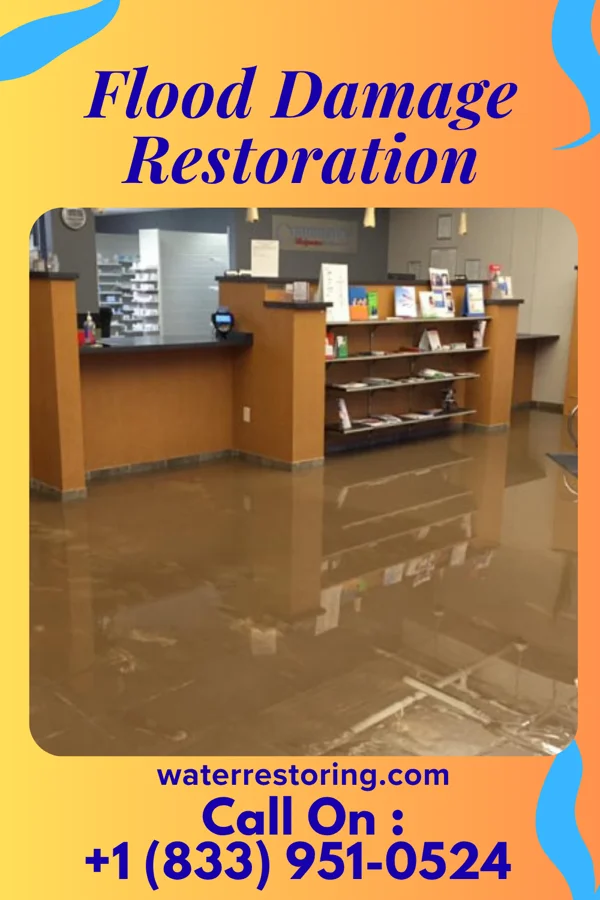
Why Flooding Hits Whale Pass Hard
The pattern in Whale Pass is consistent. Whale Pass, Alaska is prone to flooding due to its coastal location and proximity to the Gulf of Alaska, which can lead to storm surges and heavy rainfall. The area's low-lying terrain and frequent coastal storms increase the risk of water intrusion, particularly during the fall and winter months. drives most of the emergency restoration calls we get.
The climate in Whale Pass is characterized by cool, wet conditions, with heavy precipitation and strong winds contributing to flood risks. The region experiences a maritime climate with frequent coastal storms, which can cause sudden and severe flooding.
The climate in Whale Pass is characterized by cool, wet conditions, with heavy precipitation and strong winds contributing to flood risks. The region experiences a maritime climate with frequent coastal storms, which can cause sudden and severe flooding. The dominant local driver is Whale Pass, Alaska is prone to flooding due to its coastal location and proximity to the Gulf of Alaska, which can lead to storm surges and heavy rainfall. The area's low-lying terrain and frequent coastal storms increase the risk of water intrusion, particularly during the fall and winter months.. We specialize in restoring properties affected by clean water, gray water, and black water damage, including residential and commercial properties in Whale Pass.
For public guidance on the health effects of mold after prolonged water exposure, see the EPA mold and health page.